A. It’s a little surprise tucked away in a story to amuse readers smart enough to spot it.
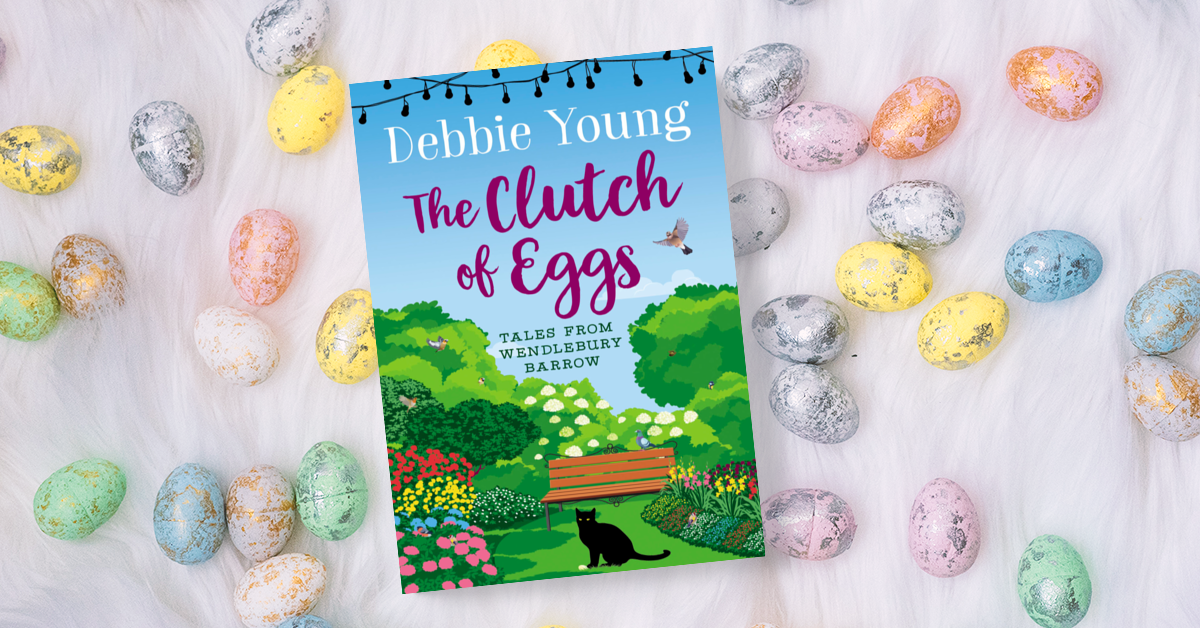
Today I’m going to tell you about some of the Easter eggs hidden in my books, how some of my author friends like to play the same game, and how to get a free Kindle ebook of my fun little novelette, The Clutch of Eggs – the perfect read for Easter weekend.
A post about Pancake Day, Shrove Tuesday, British traditions and my ground-breaking philosophy of pancakes
When life gives you lemons, make pancakes!
Writing a couple of years ago about the nature of celebrations, after inadvertenty discovering that my second marriage had officially outlasted my first one (more on that story here), I had a Eureka moment about Pancake Day, which I’m going to share here today to mark this special Shrove Tuesday tradition.
For my international friends who may not know what Pancake Day or Shrove Tuesday are, I should first explain those terms.
British Traditions
Shrove Tuesday is the last “normal” day before Ash Wednesday, which marks the start of Lent, the 40-day countdown to Easter during which many Christians choose to deny themselves something they enjoy, in memory of Christ’s sacrifice.
Chocolate is a popular option, because that’s a sacrifice you can revoke with a vengeance on Easter Sunday with the arrival of chocolate Easter eggs. But any bad habit or indulgence that you’re trying to relinquish is fair game – alcohol, cigarettes, overeating, etc. Coming less than three months after New Year, it’s a handy fresh start to those New Year Resolutions that you’ve probably broken by now. For the religious, sticking with it is a test of faith; for atheists, it’s more a test of character, especially if you’re like me and embrace any opportunity for a new beginning.
The lemon that aspired to become an orange
One of the traditions on Shrove Tuesday was to use up the last of any indulgent food in the house to make pancakes, including fatty food – which is why Mardi Gras translates as “Fat Tuesday”. These days, few people in the UK will be unaware of the general will to make and devour pancakes today, even if they have no intention of giving anything up for Lent. Pancake Day is an end in itself. Every supermarket in the country will have special displays of pancake mix, lemons, and special pans for frying pancakes. (If you want to snap up a pancake pan for a bargain price, hit the supermarkets tomorrow, when they’ll all be selling them off to cheap to clear their shelves ready for Easter eggs and hot cross buns.)
Pancake Day has thus become an end in itself. We British know how to celebrate – no crazy drunken festivals for us of the kind that you find on continental Europe or South America. No Mardi Gras or Fascing or Carneval here. No, we settle for a nice quiet meal around the tea table, delicately squeezing lemons, quietly sprinkling sugar on our pancakes. Mind you, in some parts of the country, they take this a step further by holding public Pancake Races. These are simple running races made more challenging by each participant having to hold a frying pan in one hand, tossing a pancake over and over as he or she runs.
My Family’s Pancake Traditions
Cheap long-life lemon choose, posing as posh at Waitrose
This may seem strange to those of you who live in countries such as the Netherlands, where pancakes are standard daily fare, but when I was a child, my brother, sister and I would get very excited about the prospect of Pancake Day, and my mum would toil endlessly in the kitchen cooking them as fast as we could eat them. That was possibly the only day in the year when we’d have fresh lemons in the house – though more usually it was squeezy Jif lemons, juice preserved with God knows what in little plastic lemon-shaped bottles.
When my daughter was little, she loved pancakes, and as she was a fussy eater, I was quick to identify pancakes as a great opportunity to get protein and calcium inside her. Eggs, flour, milk – that’s all it takes to make a pancake.
One day, when she was about three, she requested a “pancake boat”. I had no idea what she meant, so using a pair of scissors I cut a pancake into a sailboat shape. Using the principle of the old joke about sculpting, I just snipped away anything that didn’t look like a boat. She was delighted.
A couple of years later, the pancake boats were still mooring regularly on our tea table, so you can imagine our delight when on a trip to Amsterdam, in which we stayed at the pleasingly named Hotel Botel (yes, it was a boat), we found ourselves looking across the water to a big red floating restaurant called the Pannenkoekenboot (Pancake Boat).
Laura’s dream come true: Amsterdam’s Pancake Boat
Laura’s love of pancakes has grown up with her, and it’s an easy catering option to make pancakes for her friends when they come to tea. I’ve never yet met a child that dpesn’t like pancakes, whether with lemon and sugar, in the traditional English way, or with other toppings. Nutella and banana go down well in this household, while I personally favour ham and mushrooms diced into the batter. Pancakes are always perceived as a treat in this country, thanks to their ancient Shrove Tuesday heritage, even though they are so cheap to make and about the simplest and quickest dish to cook. It’s much easier to get a pancake right than even a boiled egg.
And so I come at last to my ground-breaking conclusion: though I wish everyone Bon Appetit for their Shrove Tuesday pancakes tonight, don’t let respect for tradition make you hold out for another year before your next indulgence. It’s not Christmas Day, you know.
Every day can be Pancake Day. All you have to do is mix the batter and buy some lemons.
Happy Pancake Day, however you choose to celebrate!
If you’re ever in Amsterdam and want to share the Pancake Boat experience, you can find our more at www.pannenkoekenboot.com.
Here’s the link to the post in which I first put forward my pancake philosophy, when I realised that my second marriage had lasted long than my first: Something to Celebrate
And for a final fling before Lent, if you subscribe to my new mailing list, I’ll send you a free short story on an indulgent theme: The Alchemy of Chocolate.