Throughout 2024, my last blog post of each month will be a conversation with one of my author friends, talking about an aspect of their writing life that I hope will interest my readers too.
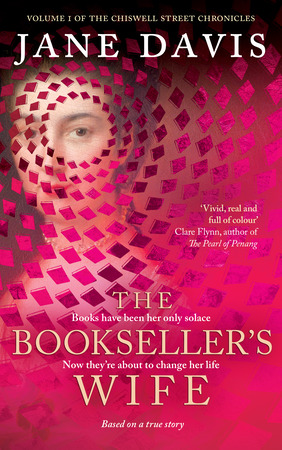
When I heard that my author friend Jane Davis was writing a novel about bookselling in late eighteenth-century London, I couldn’t wait to read it. I’m passionate about booksellers, intrigued by the book trade and its history, and I’m a Londoner – so I knew before I read it that I’d love The Bookseller’s Wife. I’m delighted to welcome Jane to my blog today to tell us more about the story behind the novel and the history of the bookselling trade.
A post about how apparently unrelated day jobs can help hone your writing skills
It’s never too late to start writing
In a recent WhatsApp discussion with some author friends, we were talking about starting writing relatively late in life. One kindly said to me, “Oh, but you’re a natural”, assuming that my capacity for storytelling had got off to a flying start without any training in 2017 when I published my first novel.
I explained to her that spending decades in a series of day jobs had honed my writing skills, giving me a head start when I began to write fiction. Composing news stories, features and articles as a journalist, and brochures, website copy and press releases in public relations provided a fine apprenticeship in writing prose. Oh, and my degree in English and Related Literature probably didn’t do me any harm either!
Round about World Book Day, I discovered my author friend Alison Morton was about to launch a special tenth-anniversary hardback edition of her debut novel Inceptio, inspired by her love of ancient Rome, and previously published in paperback, ebook and audiobook.
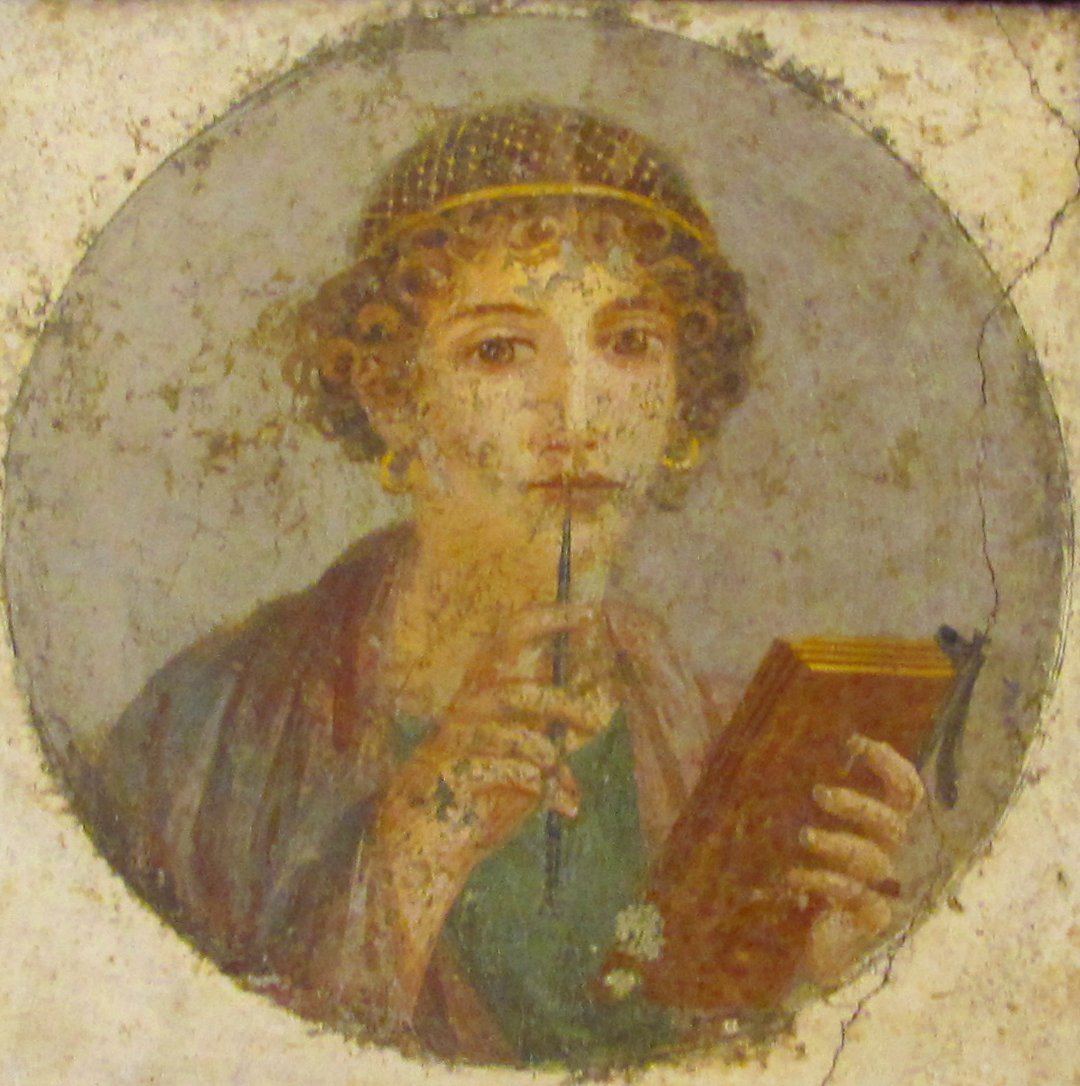
That got me thinking about what formats Ancient Romans used to read – books? scrolls? tablets? (the wax type, not the digital ones). Intrigued, I asked Roman expert Alison to enlighten me, and this post is the result.
This final post of 2022 was originally written for the December 2022/January 2023 edition of the Tetbury Advertiser, which was published in the run-up to Christmas
This month my to-do list includes a much-needed weeding of my groaning bookshelves, in the hope that Father Christmas, who knows me well after all these years, will bring me a pile of lovely new books.
Every room in my house contains bookshelves, except the utility room and the larder. (I’ve slipped up there.) Each shelf is jam-packed with rows of books, with more laid on top horizontally to fill all available airspace. It’s clearly time to declutter. But which books should I keep and which jettison? Continue reading “Off the Hook for Books”→
A glance at the many bookshelves in my crowded cottage reveals that I’m an avid buyer of secondhand books. Not because I’m too mean to pay full price for new, but because I collect vintage curiosities. Most cost me pence rather than pounds. Their appeal is their eccentricity, not their market value. The most unusual book I own is Sir Arthur Conan Doyle’s The Return of Sherlock Holmes printed entirely in Pitman’s Shorthand. I can’t read shorthand, but I like to think keen code-breaker Sherlock Holmes would love it as much as I do.
My most recent acquisition is My Flying Scrap Book by Major CC Turner, the first professional journalist to gain a pilot’s licence. Published during the Second World War, his book draws on his 36 years of flying experience. Yes, 36. First airborne just five years after the Wright Brothers, he flew planes resembling the Kitty Hawk. He also travelled in hot air balloons and airships.
One of the many things I love about Major Turner’s book is that it conforms to the stringent standards of the Book Production War Economy Standard (BPWES) indicated by a patriotic lion-topped logo. Agreed between the Ministry of Supply and the Publishers’ Association, the BPWES code called for publishers to reduce paper usage by 60%, specified a minimum number of words per page and eliminated unnecessary white space.
A suitably economical logo for War Economy Standard books
Despite thin, rough paper stock and light, plain covers, the books are very durable. My war-time editions of Dorothy L Sayers novels are almost as good as new, whereas my 1970s paperbacks are too frail to read.
The BPWES books are lightweight and slim, about a third as thick as modern paperbacks, and despite the small type, surprisingly easy on the eye.
Interestingly, the code did not constrain subject matter. While books considered essential to the war effort were allowed a more generous paper ration, all books were deemed worth publishing. I even have a BPWES book entitled A Book About Books, by Frederick Harrison, a fascinating jaunt through the history of books, reading and publishing.
Still a covetable book despite stringent wartime production standards
Why don’t modern publishers emulate war-time practice to reduce paper use and shipping costs? As well as benefitting the environment, the slimmer format would enable booksellers to stock a wider range. Readers like me who are constantly running out of shelf-space would love them. The argument that plainer books would have less customer appeal does not convince me.
Even with their minimalist production standards, book sales grew during the war, because books provide comfort and escape from the horrors of the daily news – a sentiment we can still relate to today.
Books and reading will always help sustain people in adverse conditions, and if a society can keep producing books, and readers keep buying them, there is hope for us all. As Tove Jansson, writing her first Moomin book in war-torn Finland, has Moominmamma declare, “At last! Books! Now we’ll get by.”
This post was originally written for the April 2022 edition of the Tetbury Advertiser.
Secondhand Books in My Books
My passion for secondhand and vintage books has spilled over into my fiction. In the fourth Sophie Sayers Village Mystery, Murder by the Book, Hector and Sophie snap up vintage books from a car boot sale in Clevedon, where they go to visit his parents, and one of these turns out to be a rare Gaelic volume which will be at the heart of the mystery in book 8, A Fling with Murder, which I’m about to start writing.
In Sophie’s most recent adventure, Murder Lost and Found, there is a sub-plot about Hector’s private collection of secondhand books, which Sophie is pressing him to turn into a commercial venture. When he employs a pretty young student to catalogue them for him, she begins to wonder whether this was such a good idea.
All seven of the Sophie Sayers Village Mysteries are available to buy in ebook for Kindle (free to Kindle Unlimited subscribers) and paperback online or to order from your favourite local bookshop.
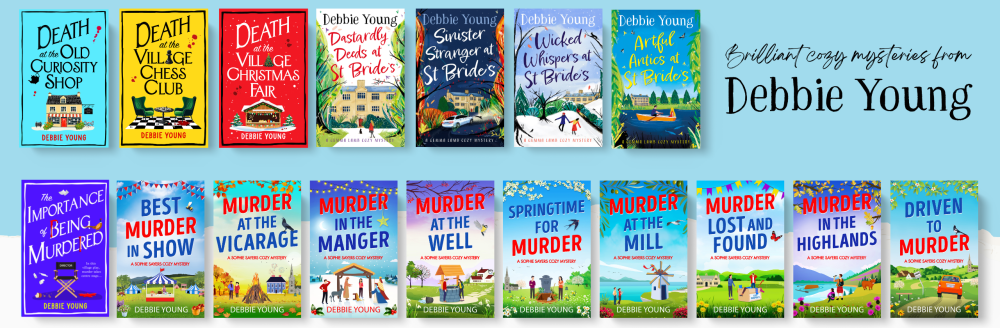




 In Sophie’s most recent adventure, Murder Lost and Found, there is a sub-plot about Hector’s private collection of secondhand books, which Sophie is pressing him to turn into a commercial venture. When he employs a pretty young student to catalogue them for him, she begins to wonder whether this was such a good idea.